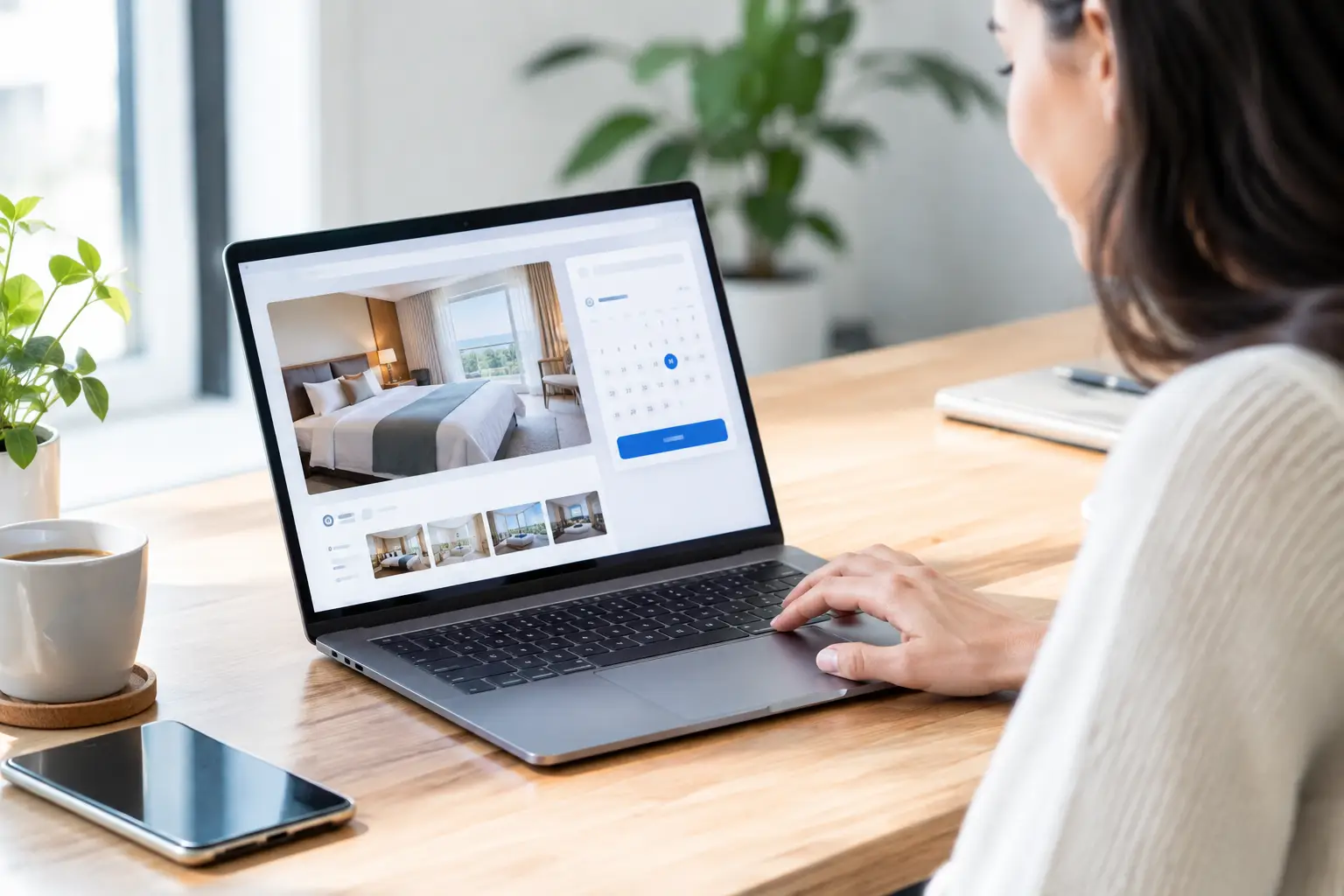
How to Reduce No-Shows at a Salon Without Chasing
An empty chair is not a small scheduling issue. It is a block of time you cannot resell once the appointment start time has passed, plus a stylist or esthetician still waiting to work. If you are searching for how to reduce no-shows at a salon, the answer is not sending more last-minute messages by hand. It is building a booking process that makes confirmation, cancellation, and payment clear before the client ever arrives.
The goal is not to punish good clients for the behavior of a few. It is to set expectations early, give people reasonable ways to change plans, and protect your calendar when they do not. A reliable system also saves the owner or front desk from spending every day chasing confirmations.
Start with the real cost of an empty appointment
A no-show affects more than the service that was booked. It can throw off a day’s staffing plan, leave a gap between clients that is too short to fill, and create frustration for a client who wanted that time but could not get it. If no-shows are common, the team may start overbooking or making exceptions, which can create rushed appointments and a worse customer experience.
Before changing your process, review the last month of appointments. Look for patterns. Are missed visits more common with new clients, long services, evening appointments, or bookings made weeks ahead? Are people failing to show up after receiving a reminder, or are reminders inconsistent?
This matters because the fix should match the problem. A client who forgot needs a useful reminder. A client who books a lengthy service with no financial commitment may need a deposit requirement. Treating every situation the same often produces a policy that feels harsh but still does not protect the schedule.
How to reduce no-shows at a salon with better booking rules
Your policy should be short enough to understand on a phone screen. If it takes several paragraphs of legal-sounding language, clients will skip it and staff will struggle to enforce it consistently.
State three things plainly: when a client can cancel or reschedule without losing a deposit, what happens when they cancel late, and what happens if they do not arrive. Put the policy where the decision happens - on the booking page, in the confirmation message, and in the reminder sequence.
The practical rule is this: do not bury the policy in a footer and hope people find it. Ask for acknowledgment during booking. A simple checkbox or clear confirmation statement creates a record that the client saw the terms.
Consistency matters more than toughness. If one staff member waives the policy every time and another enforces it, clients learn to negotiate. You can still make exceptions for genuine emergencies, but make them an owner or manager decision rather than an awkward debate at the front desk.
Use deposits for appointments that are hard to replace
Deposits are one of the most effective ways to create commitment, especially for new clients, high-demand times, extended color services, treatment packages, or appointments that reserve specialized staff time. They should be easy to pay as part of booking, not something a client has to call in later.
A deposit does not need to feel punitive. Explain that it is applied to the scheduled service and helps hold time that cannot easily be filled at short notice. If clients cancel within your stated window, the deposit can be transferred to a new booking. When the rules are visible and applied fairly, most reasonable clients understand.
There is a trade-off. Requiring deposits for every quick repeat service can add friction for loyal clients. Many salons use a tiered approach: deposits for first-time clients, longer services, peak periods, or clients with a history of late cancellations. Your appointment data should guide the choice.
Make rescheduling easier than disappearing
People do not always no-show because they are careless. They may be at work, managing family plans, or unable to call during your business hours. If rescheduling requires a voicemail and a callback, some will put it off until it is too late.
Give clients a direct way to cancel or move an appointment from their confirmation and reminder messages. The new time should update the calendar automatically when possible, without staff retyping details from texts, voicemails, and social messages.
That does not mean clients should be able to move an appointment at any moment without limits. Your booking rules can close self-service changes inside the cancellation window and direct clients to contact the salon. The point is to remove unnecessary phone tag while keeping control of your schedule.
Build a reminder sequence, not one reminder
One reminder sent the day before may help, but it is not enough for every appointment type. A client who booked a service three weeks ago may need an early confirmation. A client with a morning appointment may need a reminder before the previous evening gets busy.
A useful sequence usually includes a confirmation immediately after booking, a reminder several days before the appointment when changes are still allowed, and a final reminder closer to the visit. Each message should include the appointment date and time, the salon name, and one clear action: confirm, reschedule, or review the cancellation policy.
Keep messages brief. Clients should not have to hunt for the date, time, or change link. Avoid sending vague texts such as “Just a reminder about your appointment.” Those force the client to look elsewhere for details, and that is how a simple confirmation turns into a missed visit.
For high-value or lengthy bookings, asking the client to actively confirm can be worthwhile. If they do not respond, your team has time to reach out or release the slot according to the policy. Do not make confirmation a manual chore for every appointment if your salon is busy. Automation should handle the routine steps and flag the exceptions.
Clean up the booking experience on a phone
Many salon bookings happen between errands, during lunch, or late at night. If the booking path is slow, confusing, or hard to use on a phone, clients may submit incomplete information, choose the wrong service, or fail to notice the policy.
A good booking flow asks only for the details needed to reserve the right service and contact the client. It should clearly show service duration, available staff, the deposit requirement where applicable, and the next steps after booking. Payment and booking records should connect directly instead of relying on someone to reconcile separate systems later.
This is where a phone-first website and booking setup can reduce admin work as well as no-shows. The client gets a clear path to book and pay. The salon gets an organized calendar, documented policy acceptance, and reminders that do not depend on someone remembering to send them.
Train the team to protect the policy
Even a well-built system breaks down if staff members apologize for the rules or make up different answers. Give everyone a simple script for common situations: a late cancellation, a missed appointment, a request to waive a deposit, and a repeat offender asking to book again.
The tone should be calm and matter-of-fact. For example: “We can absolutely help you reschedule. Because this was inside our cancellation window, your deposit is not refundable, but we can review the next available appointment.” That is clearer than arguing about fairness in the moment.
Track repeat patterns, too. A client who no-shows once may have had a real problem. A client who repeatedly books and misses peak times may need to prepay or book only in lower-demand slots. Protecting your schedule is not being unfriendly. It is how you keep appointments available for clients who are ready to come in.
Review the numbers and adjust the weak point
Do not assume a new policy is working because it sounds sensible. Review your no-show and late-cancellation rate monthly, along with how many abandoned slots were refilled. Look at whether deposits are collected correctly, reminders are actually being delivered, and staff are following the same process.
If no-shows remain high, find the broken step before adding more rules. A reminder may be going to an old phone number. Your cancellation link may be difficult to use. Deposit language may be unclear. Or the booking system may not be sending the right message for certain services.
The strongest salon processes are not built around chasing people down. They make the responsible action easy, put the policy in plain sight, and give the owner a dependable record when an exception is needed. That protects the schedule without turning every appointment into an argument.